
“As Houston 18-Wheeler Accident Attorney: Why Black Box Data is Vital to Your Claim takes center stage, this opening passage beckons readers with a captivating overview of the importance of black box data in 18-wheeler accident claims. It sheds light on the legal implications, retrieval and analysis process, as well as safeguarding black box data for legal purposes.”
Importance of Black Box Data in 18-Wheeler Accident Claims
Black box data plays a crucial role in determining the cause and fault in 18-wheeler accidents. This information is vital in accident investigations to understand the sequence of events leading up to a collision.
Crucial Evidence in Accident Investigations
Black box data, also known as an event data recorder (EDR), records important information such as speed, braking patterns, steering input, and other critical data moments before and during a crash. This data provides valuable insight into the actions of the driver and the vehicle’s performance leading up to the accident.
Determining Fault in 18-Wheeler Accidents
By analyzing the black box data from a commercial truck involved in an accident, investigators can determine crucial factors such as the speed of the truck, sudden braking, acceleration, and adherence to traffic laws. This information helps establish liability and determine who was at fault in the accident.
Specific Information Retrieved from a Black Box
The specific information that can be retrieved from a black box in relation to a truck accident includes details on the vehicle’s speed, engine RPM, brake usage, throttle position, seat belt usage, airbag deployment, and even the truck’s location before and after the crash.
This data is essential in reconstructing the events leading up to the accident and providing evidence in legal proceedings.
Legal Implications of Black Box Data
Black box data from 18-wheeler accidents can have significant legal implications that impact the outcome of claims in court. This data, which includes crucial information about the vehicle’s speed, braking, and other operational details leading up to the accident, can provide valuable evidence to support or refute claims of negligence or fault.
Impact on Claim Outcome
Black box data can provide concrete evidence of what exactly happened in the moments leading up to an accident. This data can corroborate eyewitness accounts, help determine fault, and establish a timeline of events. In court, this information can be crucial in proving liability and securing compensation for the victims of the accident.
Admissibility in Legal Proceedings
The admissibility of black box data as evidence in court varies by jurisdiction. However, in many cases, courts have allowed this data to be used as evidence, especially when it is obtained legally and can be verified for accuracy. It is important for attorneys to follow proper procedures in collecting and presenting black box data to ensure its admissibility in court.
Use in Civil vs. Criminal Cases
In civil cases involving 18-wheeler accidents, black box data is often used to determine liability and assess damages. This data can help establish negligence on the part of the truck driver or the trucking company, leading to a favorable outcome for the victims.
In criminal cases, black box data can also be used to establish evidence of reckless driving or other criminal behavior, potentially leading to criminal charges against the responsible parties.
Retrieving and Analyzing Black Box Data
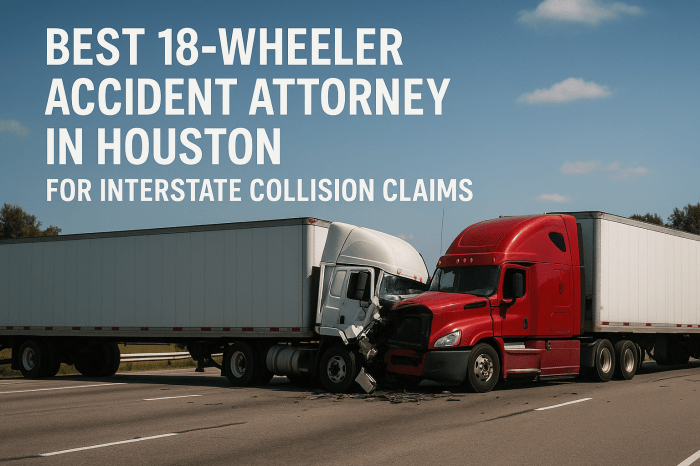
When it comes to 18-wheeler accidents, retrieving and analyzing black box data from the commercial truck involved is crucial in determining the cause and liability of the incident. Black box data can provide valuable insights into the speed, braking, and other critical factors leading up to the accident.
Retrieving Black Box Data
- After an accident, specialized technicians are typically called in to extract the black box data from the truck.
- The process involves connecting a diagnostic tool to the black box to download the data, which may include information about the truck’s speed, engine performance, and braking patterns.
Analyzing Black Box Data
- Experts trained in accident reconstruction analyze the black box data to recreate the events leading up to the crash.
- By examining factors like speed, acceleration, and braking, experts can determine if the truck driver was at fault or if there were any mechanical issues with the vehicle.
Challenges in Interpreting Black Box Data
- One of the main challenges in interpreting black box data is the complexity of the information recorded, which may require specialized knowledge to decipher accurately.
- Additionally, discrepancies between the black box data and other evidence at the accident scene can sometimes complicate the analysis and interpretation process.
Protecting Black Box Data for Legal Purposes
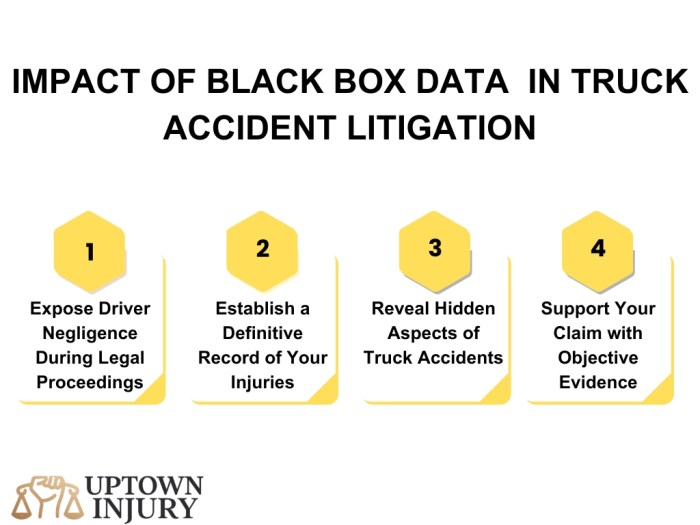
When it comes to 18-wheeler accidents, preserving and obtaining black box data is crucial for legal proceedings. This data can provide valuable insights into the events leading up to the accident, helping determine liability and ensuring justice is served.
Legal Requirements for Preserving and Obtaining Black Box Data
- After an accident, it is essential to notify the authorities immediately so they can secure the scene and prevent tampering with the black box.
- Legal professionals can help obtain a court order to preserve the black box data if the trucking company or involved parties are unwilling to provide access.
- Strict protocols must be followed to ensure the chain of custody is maintained, preserving the integrity of the data for legal use.
Ensuring Authenticity and Reliability of Black Box Data
- Working with experts in data retrieval and analysis is crucial to ensure the black box data is authentic and reliable.
- Verification processes can be conducted to confirm that the data has not been altered or manipulated in any way.
- Legal professionals can help validate the accuracy of the black box data through expert testimony and forensic analysis.
Recommendations for Safeguarding Black Box Data
- Document the process of retrieving the black box data, including who accessed it and when.
- Store the data securely to prevent tampering or loss of information.
- Consult with legal experts to understand your rights regarding the black box data and how to best protect it for legal purposes.
Last Word
“In conclusion, Houston 18-Wheeler Accident Attorney: Why Black Box Data is Vital to Your Claim delves deep into the significance of this crucial evidence in accident investigations. By understanding the role of black box data, individuals can navigate 18-wheeler accident claims with more clarity and confidence.”
FAQ Resource
“How can black box data impact the outcome of an 18-wheeler accident claim in court?”
“Black box data can provide crucial information about the events leading up to an accident, helping determine fault and liability in court proceedings.”
“What are the legal requirements for preserving and obtaining black box data following an 18-wheeler accident?”
“It is essential to follow legal protocols to ensure the admissibility and reliability of black box data, which may involve preserving the data in its original form and obtaining it through proper channels.”
“How do experts analyze black box data to reconstruct an accident?”
“Experts use specialized tools and software to interpret the data stored in the black box, reconstructing the sequence of events leading to the accident.”

